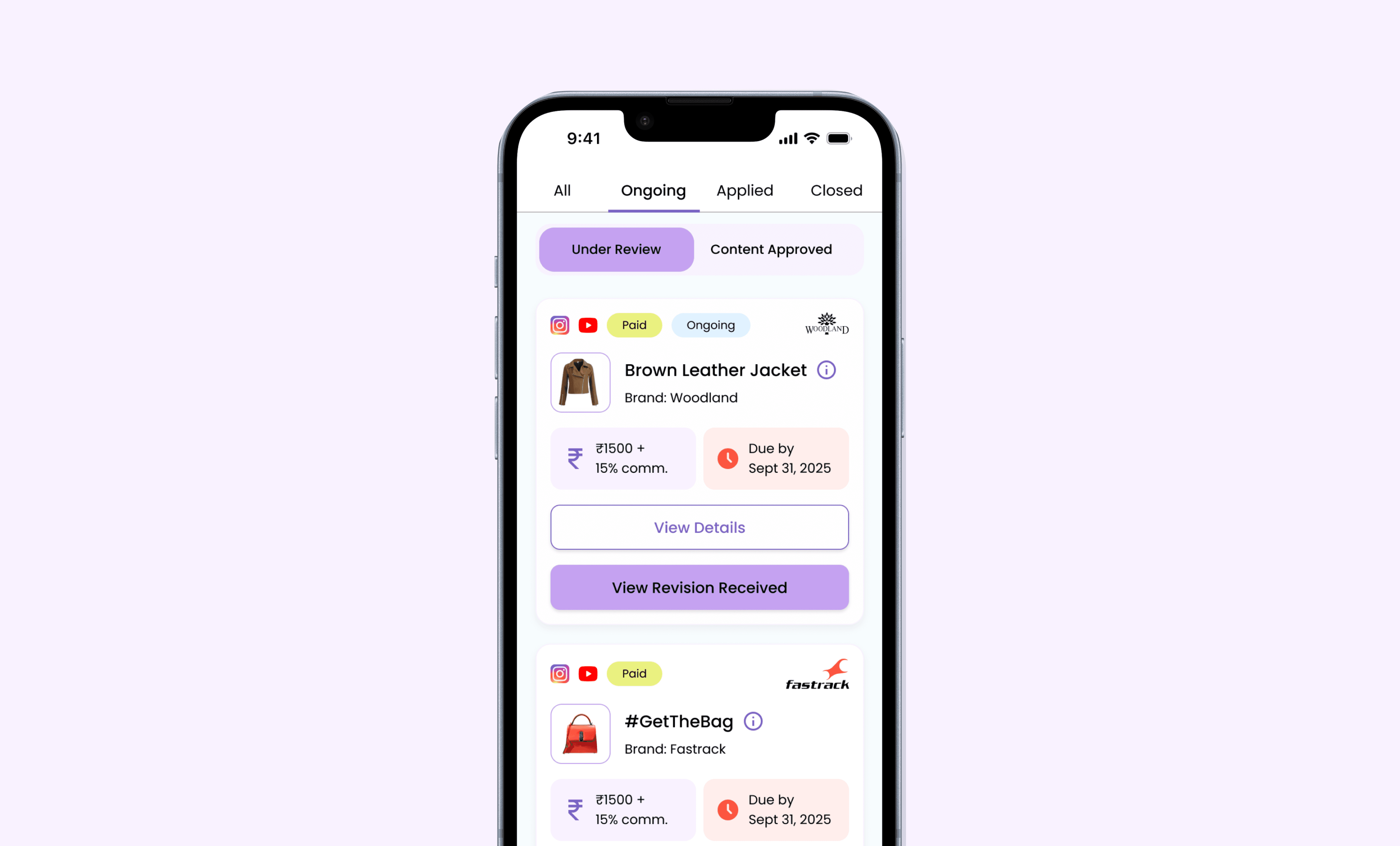
Designed it. Scoped it. Hired for it. Shipped it.
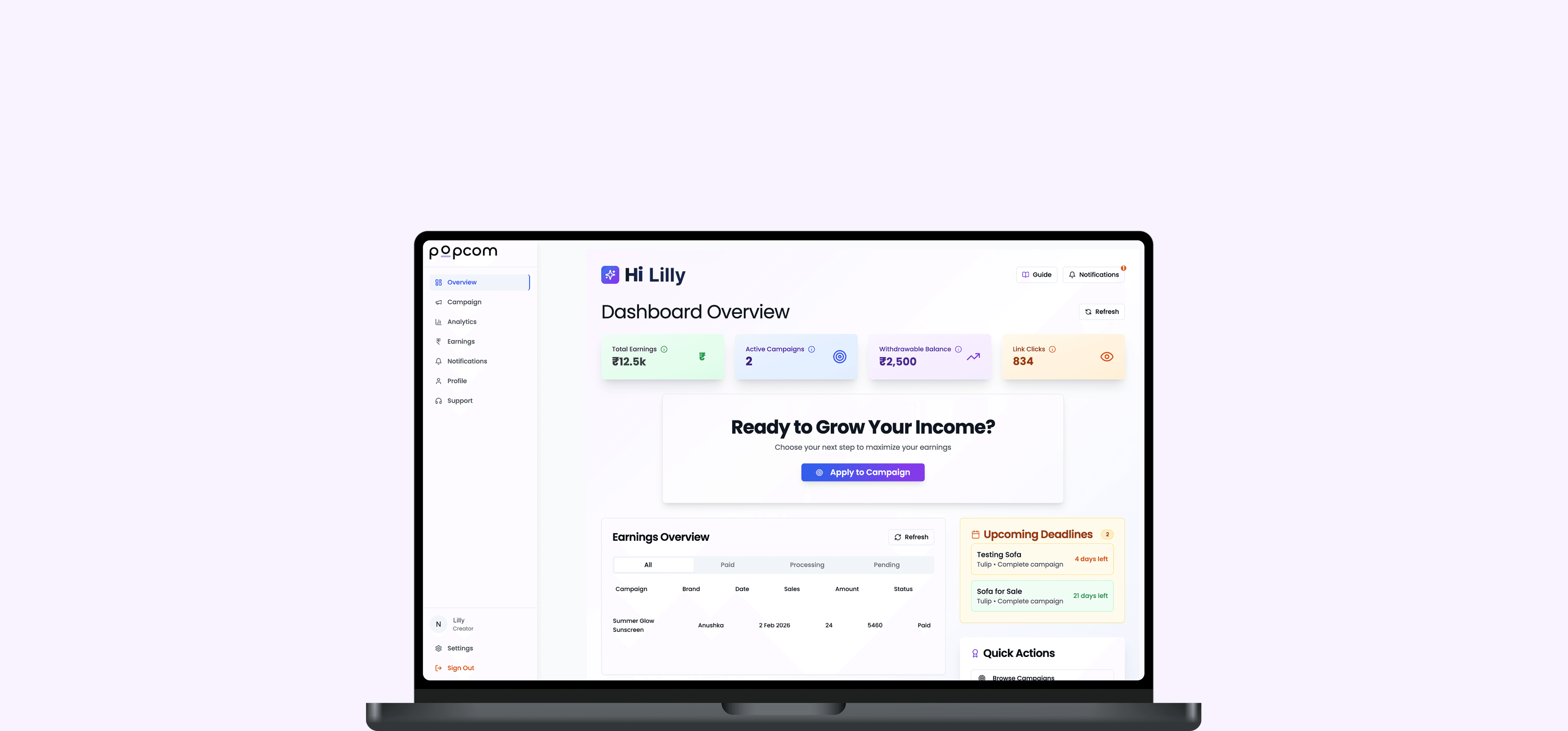
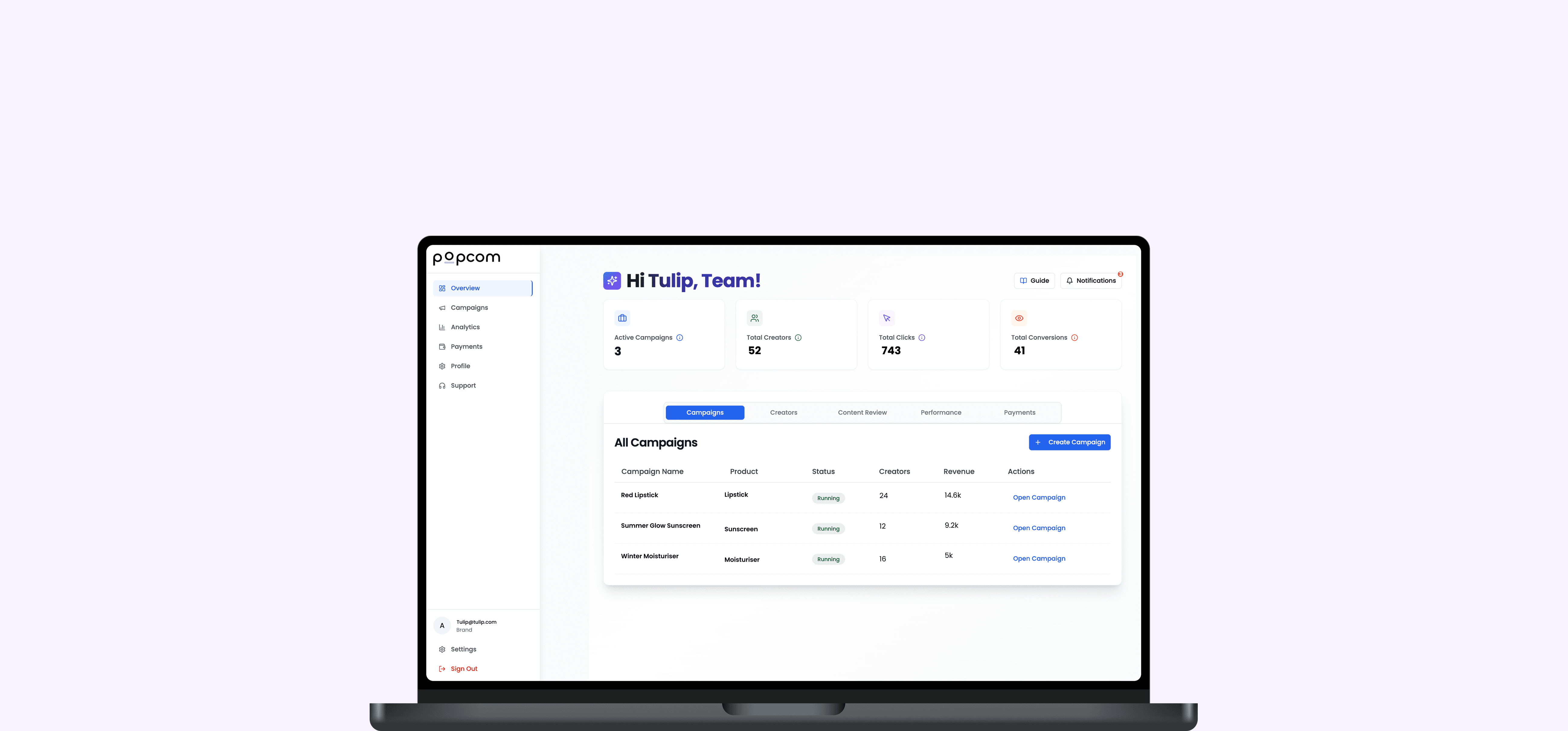
I want to be specific about the design work because most PMs don't do this. I didn't direct Popcom's design. I did it.
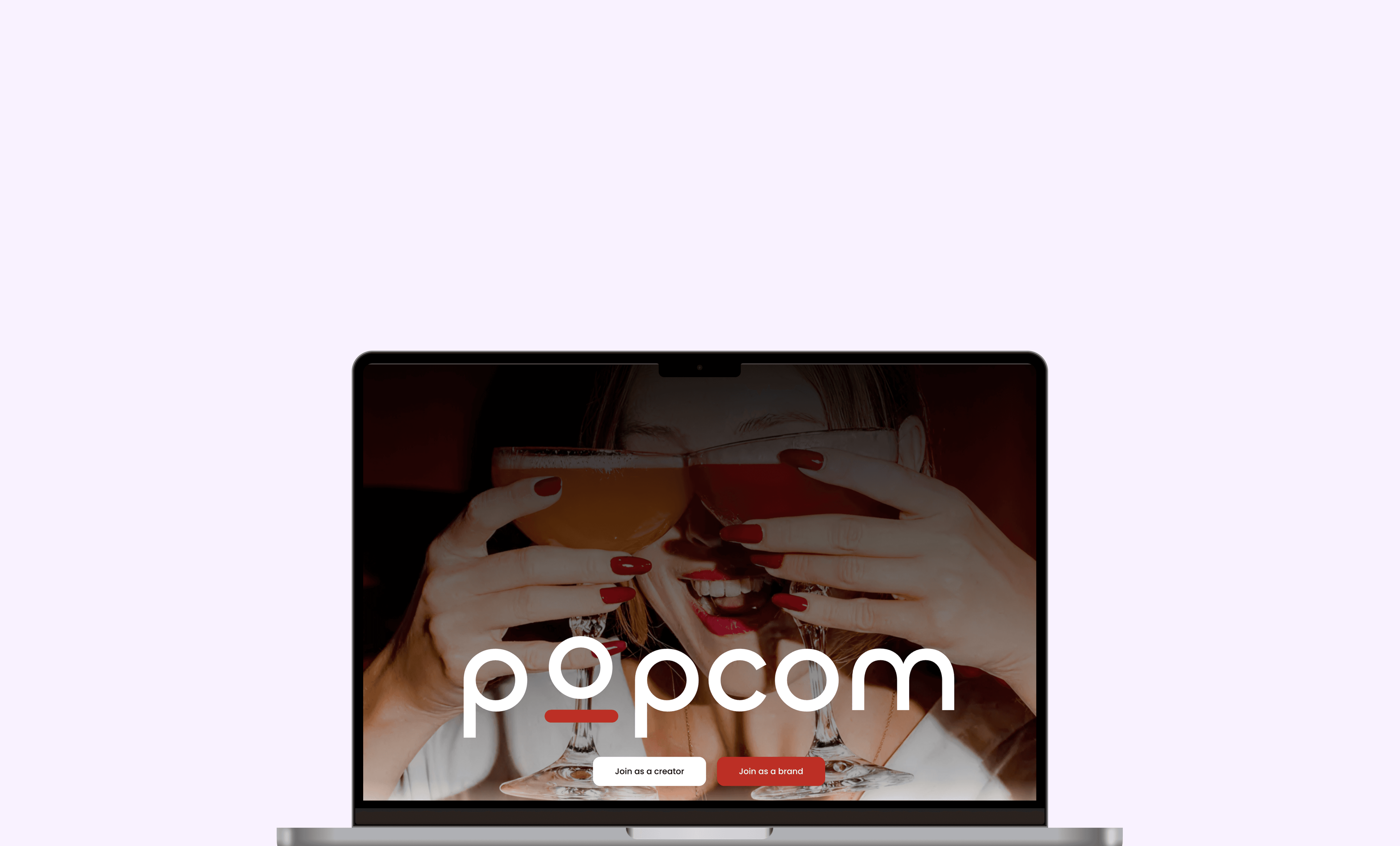
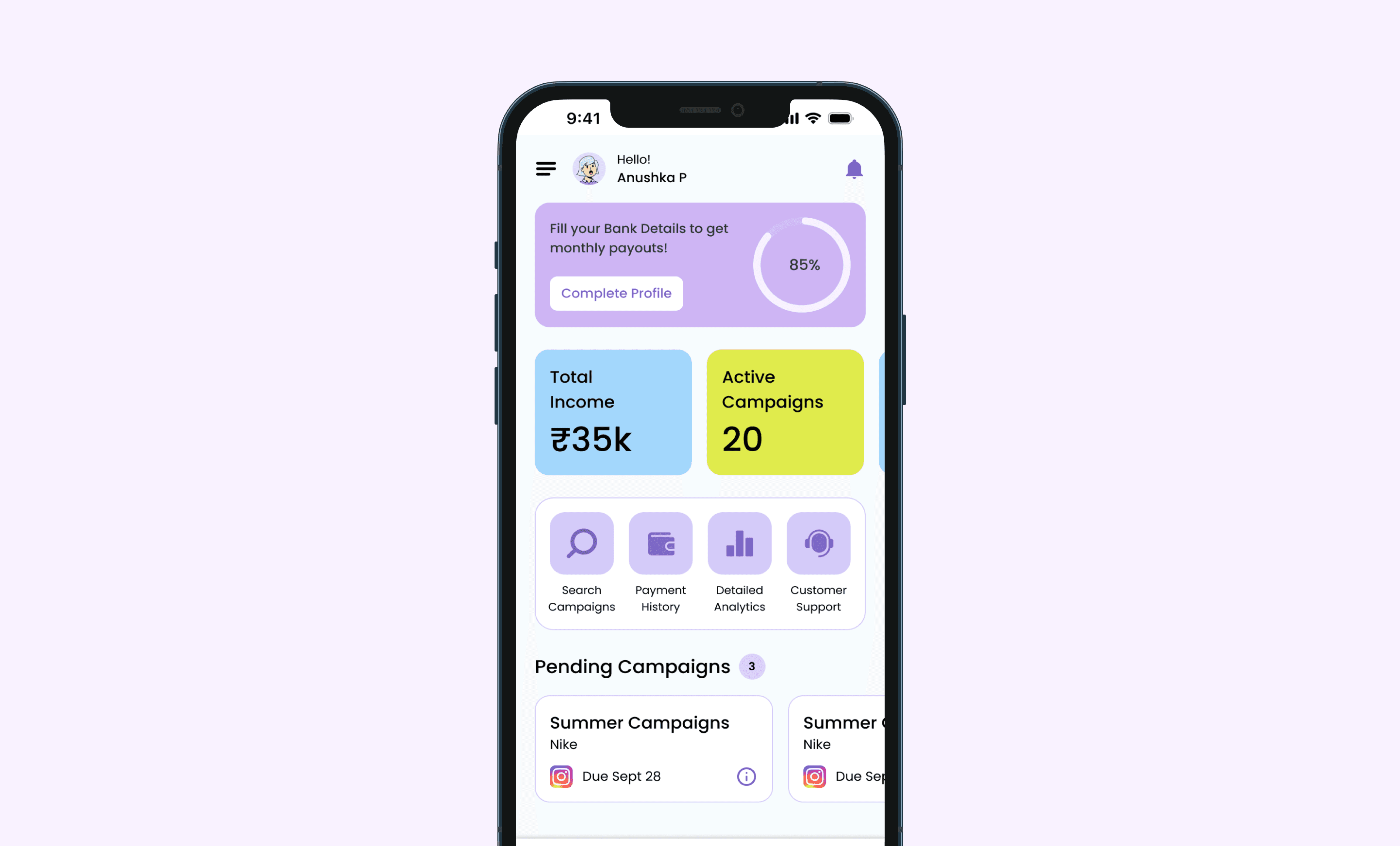
I ran UX audits on the website and dashboard in week one. I designed the full mobile app UI in Figma, completed on deadline, approved by the founder. I went through two complete redesign cycles, presenting 12+ concepts before the final direction was locked. I worked directly with developers through every stage of deployment, making decisions in real time.
Beyond the product itself, I built the communication layer around it. In the first weeks I produced decks for three distinct audiences: brands evaluating whether to launch campaigns on Popcom, creators deciding whether to join, and executives needing a clear view of the product vision and roadmap. Each deck was written and designed for its audience. All three were well received. I also worked on the MVP deck and the GTM strategy document that framed how Popcom would go to market.
This matters because a PM who can only build the product but can't sell the vision internally or externally creates a gap that slows everything down. I closed that gap from day one.
On the integration side:
• Finalized API architecture for creator tracking and smart link generation
• Researched and evaluated multiple payment gateways, built a vendor list for the team
• Assessed Shopify pixel integration feasibility during app review
• Navigated RBI wallet guidelines for commission payout compliance
• Scoped storefront integrations and sequenced them into the roadmap
On hiring and operations:
• Interviewed candidates for full-stack and mobile engineering roles
• Sourced and evaluated development agencies, one under ₹1L
• Managed developer contracts, sprint planning, and reprioritization throughout
The Moment That Defined the Role
There were moments where I was the only one raising concerns. I pushed back on a deliberately complex onboarding process when the team wanted to keep it. I flagged technical risks in another stakeholder's setup early, no real backend, product built on a no-code tool. Both calls turned out to be accurate. I learned to trust my instincts and document everything.
Being the only PM in the room means being willing to say the uncomfortable thing out loud, and trusting your instincts when the work proves the point.
Popcom is live. A platform that went from a hardcoded prototype to a functioning creator commerce product in under a year, because one person owned all of it and refused to let anything important fall through the cracks